
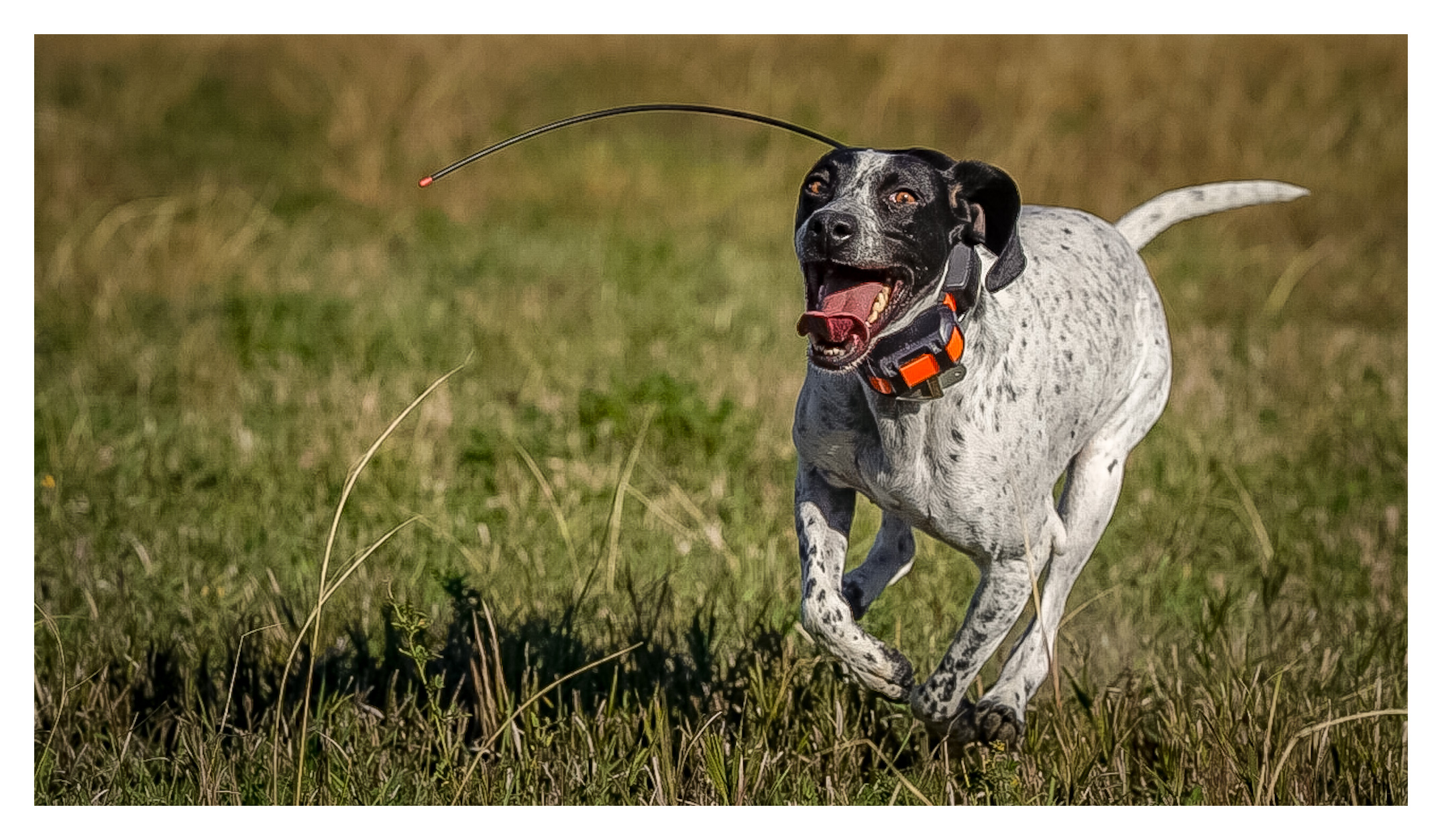
Choosing a gun dog trainer for your pointing or retrieving breed can feel overwhelming, especially if you are new to gun dog training. As I often tell clients who are new to gundogs and dog training, “We don’t know what we don’t know.” I use this phrase to reassure new owners and handlers that early training mistakes are not their fault; they were simply working from the knowledge they had at the time. The same is true when selecting a gun dog trainer. If you are not familiar with training methods, hunting, or working with a gundog, you may not know what questions to ask. As an Arizona gun dog trainer, my role is to explain the basic concepts, point out what to avoid, and teach the fundamentals. This is especially important for day-training programs, but it also applies to boarded training programs.
When choosing a trainer, it is easy to assume they all know what they are doing because they have a website, good references, or polished program information. Many people then compare prices, but the least expensive trainer and the most expensive trainer can both be the wrong fit. To make an informed choice, you need a basic understanding of how gun dog training works. The challenge is that there is so much information available that it can quickly become overwhelming. Start by asking yourself what you want from your dog and how you plan to use it. If you are unsure, a good trainer should be able to help you work through those goals. Two common terms you will hear are “started dog” and “finished dog,” but their meanings can vary widely depending on the trainer.
| See Started and Finished Training in ActionCurious what a started or finished gun dog actually looks like? Explore LunaRita Outfitters’ Dog Training Programs to see how we take Arizona gun dogs from baseline to bird-ready. |
Understanding “Started” vs. “Finished” Gun Dogs
What Is a Started Pointing Dog?
A started pointing dog is one that has been properly introduced to birds and conditioned to basic gunfire. It should hunt independently, find game, point and hold until you arrive, and allow you to flush and shoot the bird. It should also have a basic natural retrieve and be conditioned to at least two essential commands: “whoa” and a reliable recall, such as “here” or “come.”
What Is a Finished Gun Dog?
A finished dog has all the skills of a started dog, plus steadiness to wing, or flush, and often to wing and shot, along with the ability to honor another dog’s point. Some trainers define a finished dog as steady to wing, shot, and fall, meaning the dog does not move until released. My definition depends on the client’s goals.
Key Steadiness Terms Explained
In simpler terms, a steady dog will hold point on a bird for an extended period. A dog steady to flush remains in place when the bird flushes in front of it. A dog steady to shot holds after the shot and breaks to retrieve when it sees the bird fall. Steady to fall means the dog stays in place until released after the bird is shot. Honoring, or backing, means the dog sees another dog on point and stops so it does not interfere.
Board-and-Train vs. Day Training: Which Gun Dog Training Program Is Right for You?
Gun dog training programs generally fall into two categories: board-and-train programs and day or weekend programs. Understanding the difference is one of the most important steps in choosing a gun dog trainer who fits your goals, schedule, and budget.
Board-and-Train Programs
In a board-and-train program, you choose a trainer, agree on the training length, and reserve a spot on their schedule. This approach offers several benefits: your dog follows a structured routine, is socialized with other dogs, and typically receives obedience and bird work four to five days per week. The main drawback is that your dog is away from home for one to two months, and you usually are not involved in the day-to-day training. A good trainer should provide a demonstration and instructional session at pickup so you know how to handle your dog and maintain the training. In most cases, board-and-train is faster, more efficient, and more economical than day or weekend programs.
Day and Weekend Training Programs
Day and weekend programs are a good option for owners who do not want to be separated from their dog and who want to learn the process firsthand. In our weekend program, we conduct field work first and finish with obedience. Handlers then take that obedience work home and practice it with their dogs between sessions. This is valuable because owners learn and participate, but it also requires daily commitment and correct execution. Inconsistent homework often means the dog needs more sessions to progress. These programs also require a weekly or biweekly commitment, and moving a dog from baseline to well started or finished can take an entire spring and summer of one-day-per-week sessions. I enjoy offering weekend programs, but they are best suited for clients who can attend consistently and practice at home.
Comparing Gun Dog Training Costs
It is also important to compare the costs of different gun dog training programs. Weekend programs typically run $80 to $100 per session, plus the cost of any birds used. Board-and-train programs usually range from $1,200 to $2,000 per month, which averages about $100 to $125 per training day based on 16 to 20 training days. At $90 per day-training session plus birds, the total is often $120 to $150 per session. Reaching 16 to 20 training days through day training means committing 16 to 20 weekend days across the spring and summer.
| Not Sure Which Program Fits Your Dog?Every dog and owner is different. Take LunaRita Outfitters’ Training Questionnaire and we’ll help match you with the right board-and-train or day-training plan. |
Questions to Ask Before Choosing a Gun Dog Trainer
When deciding on a trainer, I recommend speaking with them directly and asking plenty of questions. If they cannot answer to your satisfaction, or if they seem frustrated by your questions, move on. The right trainer also depends on your goals, the type of owner you are, and your dog’s breed and temperament. Here are the questions every prospective client should ask:
How many dogs do you train per session? If a trainer is working with 15, 20, or more dogs at once, your dog may not receive enough individual time or enough repetitions on birds during field work. When time is limited, trainers may rely more heavily on pressure or negative reinforcement to accomplish tasks.
How much individual training time does each dog receive daily? Ask specifically about your dog, not the group as a whole.
What is included in the price, and are there additional costs? Ask whether boarding, birds, food, or other expenses are charged separately. I have considered using a monthly rate plus bird usage because each dog uses a different number of birds. Dogs that advance faster typically have more birds shot over them, but that structure can create billing confusion. Instead, I use a flat monthly rate and adjust it annually as bird costs increase. In the current market, training birds are expensive to buy and maintain.
How much time do the dogs spend kenneled each day? Ask whether they are regularly socialized with other dogs, whether there is a large fenced area for running and play, and whether dogs are supervised when out of their kennels. You should also ask to tour the facilities.
How many bird contacts does each dog get daily? We aim for a minimum of six to nine bird contacts per day, with more when working on specific drills. For example, a dog learning steady-to-flush work may have 20 birds flushed in front of it in a single day.
Do they have an emergency plan for medical issues during training? A good trainer should have a veterinarian on call or an established relationship with the nearest emergency clinics.
Do you use positive reinforcement, negative reinforcement, or a combination? Can you give specific examples? If the trainer is unfamiliar with this question or cannot give a clear answer, move on. We begin all basic obedience tasks with positive reinforcement because it is the fastest, most effective way to teach a new behavior. Negative reinforcement may be added when the dog is ready, usually once the dog’s drive is engaged or distractions outweigh the value of the positive reward. After a task is learned, intermittent positive reinforcement is often the fastest way to strengthen it. From there, a balanced use of positive and negative reinforcement can help build a truly conditioned response.
What Results Should You Expect From Gun Dog Training?
What results should you expect after a one-month session? If a trainer guarantees a specific checklist of accomplishments, move on. That often signals a willingness to use too much pressure to force results. Every dog is different, with its own personality, traits, and learning pace. I give clients average expectations for each session, but I pace training according to the dog. A well-bred young dog with minimal negative experiences will usually progress much faster than a two-year-old rescue with little training and a difficult history. Those experiences shape a dog’s willingness to learn and the speed at which it develops. If a dog is apprehensive because of negative environmental experiences, it may suppress its natural instincts and revert to self-preservation, which greatly reduces its willingness to learn and trust new people.
In my program, if a pup has no significant environmental behavior issues and has adequate drive, I expect it to reach a started level in about one month. In two months, most dogs can progress to nearly finished. By three months, we usually know how far the dog can go based on its natural ability, breeding, and drive. Some dogs have a low retrieve drive, which can limit their ability to retrieve to hand without conditioned retrieve work.
The Three Types of Gun Dog Trainers
Gun dog trainers generally fall into three broad categories: system trainers, “old-school” trainers, and behavioral conditioning trainers.
System Trainers
System trainers follow a specific training method, often learned from a mentor through one to several years of apprenticeship. They usually understand the mechanics of the process but may not fully understand the psychology behind it. They know the steps their system requires, but if a dog does not progress within that framework, they may struggle to adjust. In some cases, these trainers remove dogs from their program when progress stalls, which protects their results but can limit their ability to work with dogs that do not fit the system. If a dog’s drive, breeding, or past experiences keep it from fitting the program, the trainer may not know how to move forward. Many system trainers focus on hunt tests, such as AKC field trials, NAVHDA, or NSTRA. For high-drive dogs with strong genetics and resilience, some system trainers can be excellent.
Old-School Trainers
Old-school, heavy-handed gun dog trainers are now much less common. Many have left the profession, though some students of those programs remain. These trainers often rely almost entirely on negative reinforcement and may still use food or water withholding as motivation. Gun dog breeding was very different 30 years ago. Breeders often kept only the strongest, boldest, highest-drive dogs, and those dogs were commonly trained with a harsher approach. It was also a time when modern training methods were still developing.
Behavioral Conditioning Trainers
Behavioral conditioning trainers understand gun dogs, operant conditioning, canine behavior, instincts, drive, and character traits. They adapt the training to the dog rather than forcing the dog into a rigid program. This requires a broad toolbox and multiple ways to teach the same skill. Over the years, I have developed techniques for timid or softer dogs, as well as dogs from poor environments or weaker genetic lines. I use positive reinforcement field drills that help dogs choose the desired behavior rather than simply comply because they are forced to. In my opinion, a trainer who understands operant conditioning and knows how to apply it is a true gun dog trainer. I compare it to the difference between an assembly-line worker and a master mechanic: one can follow the steps, while the other can diagnose the problem, make the repair, and get the vehicle back on the road.
| Want to Train at Your Own Pace?Prefer a hands-on, DIY approach? Check out the LunaRita Outfitters Training Preserve for self-directed access to birds and field space between sessions. |
Final Tips for Choosing the Right Gun Dog Trainer in Arizona
Take time to call several trainers, ask thoughtful questions, and know what you want from your dog and what type of program you can realistically commit to. Do not choose a gun dog trainer simply because they are the closest, cheapest, or most expensive option. Higher rates may reflect training quality, demand, experience, reputation, and proven results. Likewise, avoid choosing a trainer based only on social media or YouTube videos, where everyone can look impressive. References and word-of-mouth recommendations from past clients are usually much better guides when making your decision.
| Ready to Start Training With a Trusted Arizona Gun Dog Trainer?LunaRita Outfitters offers day training, board-and-train, wild bird exposure, and DIY training preserve memberships for gun dog owners across Arizona, including Tucson, Sonoita, and Patagonia.Contact LunaRita Outfitters today to schedule your dog’s first session, or call (520) 235-9095. |